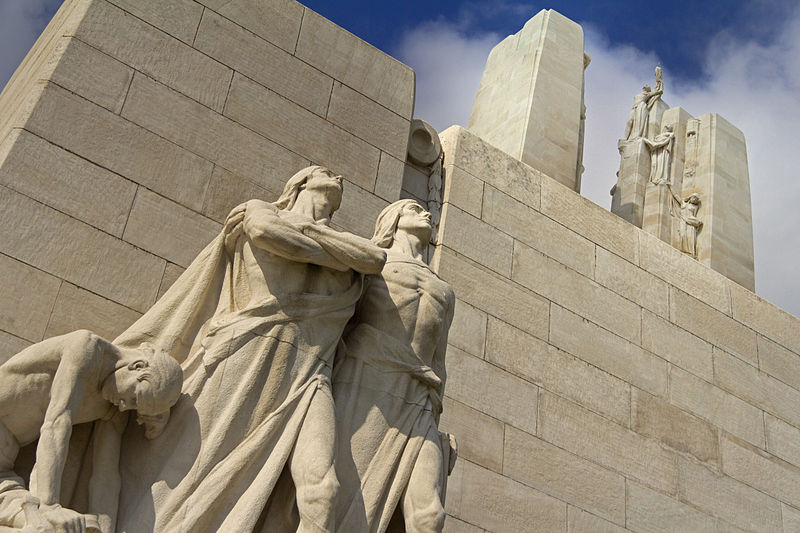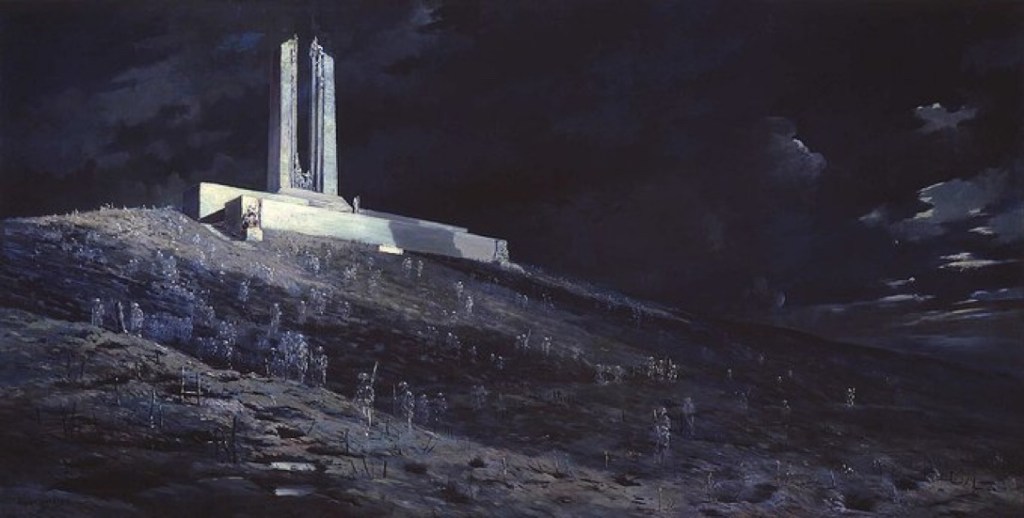
At first glance, Vimy Ridge was a brutal assault on a German-held escarpment in northern France, with mud, machine guns, and heavy sacrifice. But for Canada, it was far more: the crucible where our young dominion forged a proud national identity we still cherish today.
I look to history because it still has something to teach us. Vimy Ridge wasn’t just another battle. It was the moment Canadians from every corner of the country stood together, showed real grit, and proved we could achieve something extraordinary through personal responsibility, courage, and collective effort.
A Triumph of Unified Canadian Identity
For the first time, all four divisions of the Canadian Corps fought as one cohesive force under Canadian planning and command. Regiments from coast to coast — Ontario farms, Prairie homesteads, British Columbia logging camps, and Maritime ports — advanced shoulder to shoulder.
Veterans Affairs Canada rightly calls it “a distinctly Canadian triumph” that helped create “a new and stronger sense of national identity in our country.” English Canadians, French Canadians, recent immigrants, and Indigenous soldiers bled together on that ridge. The Vimy Foundation captures the spirit perfectly with Ernest Renan’s words: “Nations are made by doing great things together.”
Our troops did exactly that. They rehearsed meticulously and captured an objective that French and British forces had failed to take. That success planted the seed of a shared Canadian pride that transcends regional lines, a pride built on freedom, determination, and getting the job done.
Acknowledging the Challenges Without Diminishing the Achievement
Some historians push back. The Global News article questions if Vimy was truly a “nation-building moment,” with experts claiming the idea “just doesn’t hold water historically.” They highlight the terrible cost — 3,598 Canadians killed and over 7,000 wounded in four days — and how those losses fueled the Conscription Crisis that divided the country, especially in Quebec.
Active History says celebrating unity “obscures the complicated political context,” while Valour Canada notes that one battle can’t erase more than three hundred years of our history. The UNB Vimy Ridge legacy page rightly reminds us of the exceptionally high cost in Canadian lives.
These facts deserve straight talk — war is hell, and conscription exposed real fault lines. But let’s apply some common sense here. The divisions that followed weren’t proof that Vimy failed to unite us. They were the growing pains of a young nation finding its strength. Despite the political storm, Canada held together. The shared experience and pride from fighting successfully as one distinct force created a resilient identity that endured.
I’m proud our country didn’t fracture. The courage shown on that ridge carried us forward.
The Enduring Legacy of Sacrifice
Vimy earned Canada genuine respect on the world stage and helped secure our own voice at the Paris Peace Conference — a clear step toward greater autonomy. Outlets like TimminsToday highlight it as a galvanizing moment of “Canadian determination and grit.”
This is our history, and it’s one worth celebrating without apology. Those men fought with ingenuity, resilience, and a willingness to sacrifice for something greater than themselves. They gave us one of our first powerful symbols of what free Canadians can accomplish when we pull together the values of personal responsibility and freedom that still matter today.

From Dominion to Nation
Vimy Ridge stands as a defining turning point. It wasn’t the sole birthplace of Canada, but it marked the moment our nation came of age moving from loyal dominion to a confident country with its own proud character forged in fire and resolve.
Today, as we face our own challenges of unity, affordability, and purpose, Vimy reminds us of our true potential. It calls us back to the common-sense values that built this land: courage, hard work, personal responsibility, and the strength that comes from doing great things together.
The legacy of Vimy lives not only at the majestic memorial on the ridge, but in the story we Canadians continue to tell about ourselves a diverse, determined people who rose to the occasion and proved what we are made of.
I am proud of that heritage
lest we forget.